Wednesday, October 27, 2010

Tropic Brown Kitchen---Before and After

BEFORE

AFTER!
The countertops are 3 cm Tropic Brown with a 1 1/4" Classic Bullnose edge detail.

Tuesday, October 26, 2010

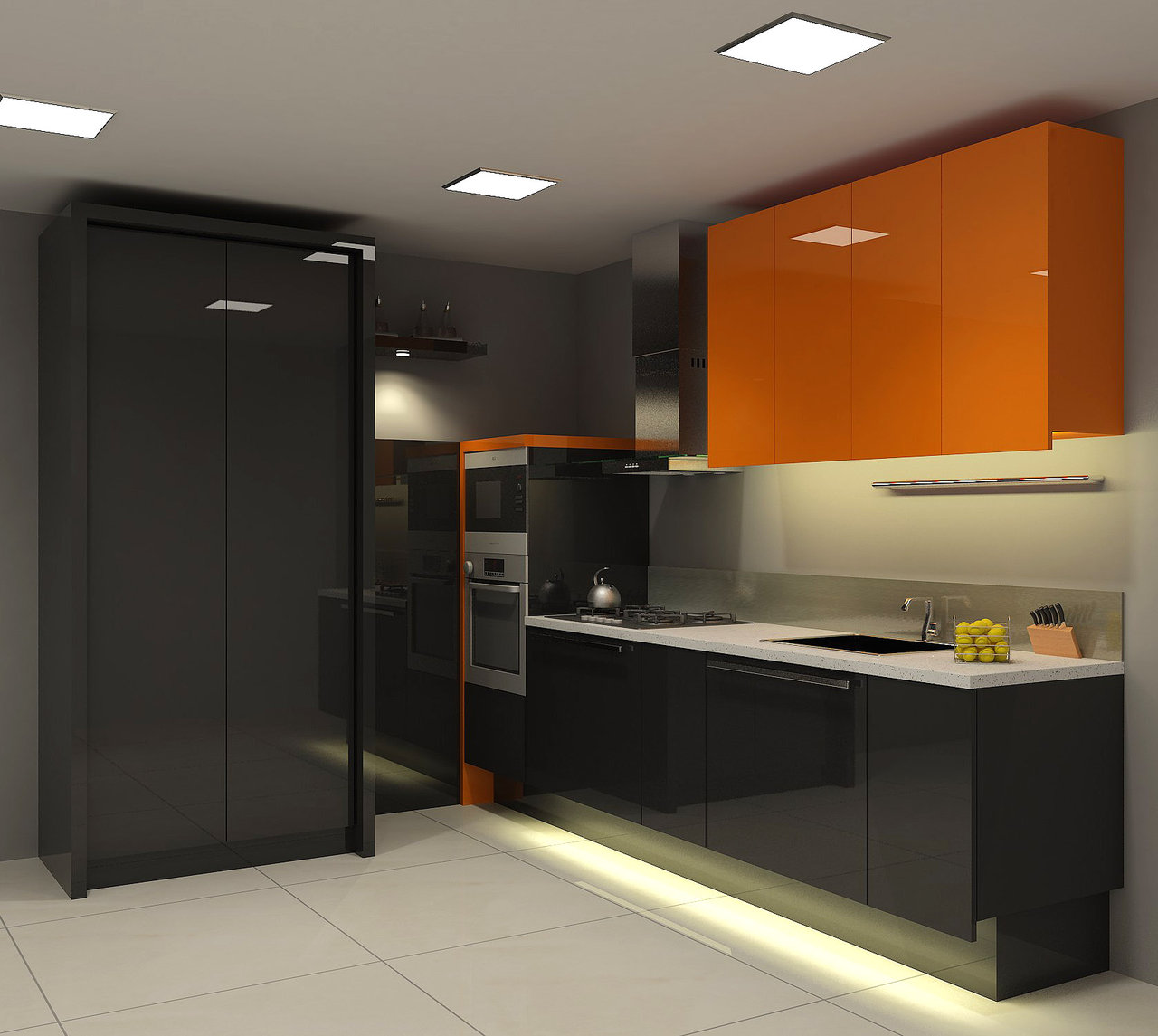
Orange & Black Kitchens

In the spirit of Halloween I thought I'd post a picture of an orange & black kitchen.
Would you use orange and black in your kitchen? 

Giallo Ornamental...Before and After

Last week I showed a Before and After of a Giallo Ornamental kitchen we did.  You can see it here.
Anyway, today I thought I'd show another Before and After. 
This kitchen is beautiful, the cabinets and flooring are gorgeous.  The old counterops were just a little.....boring.

Here's the Before...
And here's the After!
Isn't is amazing what new countertops and backsplash can do for a kitchen? 
The granite is 2 cm Giallo Ornamental with a Mitered edge detail.  The backsplash is a travertine tile.

All images from MGS by Design.

Monday, October 25, 2010

Kozmus. Yes, it's a difficult stone.

Some stones are much more difficult to work with than others.  Kozmus granite is definitely one of those stones.  I have been hearing about more and more fabricators here in Utah that just refuse to work with it.  I can't blame them either, you have to have a lot of experience and talent to work with the more difficult stones.
We are currently doing a fireplace out of Kozmus with a leather finish and it's looking AMAZING!
Here are some pictures BJ took with his iPhone out in our shop.
The Miter on these is flawless.  Our fabricators did a great job.
BJ has a couple of analogies about stone and how it's not all the same.
1-He says stone is like children. They look all cute and cuddly but depending on what block they come from may influence their manageability.
And
2- He says kids are like slabs. Some days they are great and other days if you don’t prepare yourself and adjust to their behavior they will suck the life right out of you.
He's the expert with four kids, I can't really say since I don't have kids.  :)
We are installing this fireplace next week, we'll take pictures of it all installed and put them up here on the blog.

Kozmus is also called:  Cosmic Black, Kozmos and Cosmos.

Friday, October 22, 2010

FAQ Friday: We're talking photography.

So this is pretty off the topic of stone and countertops, but I get a lot of questions about what camera and lenses I use when taking photos of jobs we do.  So I thought I'd address it all here.
I'm not a pro, but I do enjoy photography.
I shoot with a Nikon D60, and yes, I really do like it.  I ride on my husband's research though, so I don't have all the details of why this is the camera I own.  He likes the Nikon brand so that's what we have.  We have always had the Nikon brand since we've started using DSLR cameras, so I can't say how I feel about any other brand.  It's been a great camera though, we haven't had any problems with it and it's fairly simple to use.....especially considering I am not a technology guru, I'm only a granite guru.  :)

 I think the reason why I get asked about my photography though is due to the lens I use.  When shooting most kitchens and pretty much every bath, I use my Sigma 10mm-20mm lens.  It's a wide angle lens and it's amazing because you can easily get the whole kitchen or vanity in the picture, even if you are in a small room.  It's a pretty pricey lens considering I only ever use it for job photos, but really it was worth it in my opinion.  We bought the Sigma brand instead of the Nikon though, I don't think I could justify the price of the 14mm Nikon lens

Here's a picture that I took using this lens.  This was a big kitchen,  if I would have used even an 18mm-55mm lens I don't know if I would have been able to get the entire kitchen in the shot.

The downsides of a 10mm-20mm is that it can cause distortion, so I wouldn't suggest using it for portraits.  With architecture and landscapes you can generally avoid the distorted look and if it does happen it's usually fixable in Photoshop. 
 For edge details and really close up shots of stone I use a 105 mm macro lens, this lens is probably my favorite lens in general, it's pretty awesome.  I also have a 35mm f/1.8 that I love and the price is killer.  It's great for the indoor shots because I don't have to use a flash. 
Also in my bag, if you are interested, is an 18mm-200mm, which is what I keep on my camera most of the time because it's so versatile.  And then I also have a  70mm-300mm.
So that's it.  Let me know if I missed anything!          

Thursday, October 21, 2010

Cambria's new 2011 Color Collection

I'm really excited for Cambria's new 2011 Color Collection. 
They have 21 new colors in three new collections which are the Jewel, Marble and Cambrian collections. 
They are really going after the look of marble and granite and I have to say I'm pretty impressed, they have some really beautiful new colors.

Wednesday, October 20, 2010

Let's talk about stone colors...

I'm geeking out here on le blog today, so if you come for pretty pictures and not geeky mineral talk come back tomorrow and I promise to have pretty pictures again!

Have you ever wondered how stone gets it's beautiful color?
Stone was formed from different types of natural minerals.  Marble's main consistency is calcium.  Calcium carbonate is the natural source that bonds the stone.  Certain additive minerals blended in to the calcium during formation to customize these brilliant colors.  The additive minerals are also color developers present in granite and other natural stones. 

Stone Color----Mineral
  • Black---Biotite, Hornblende, Carbon
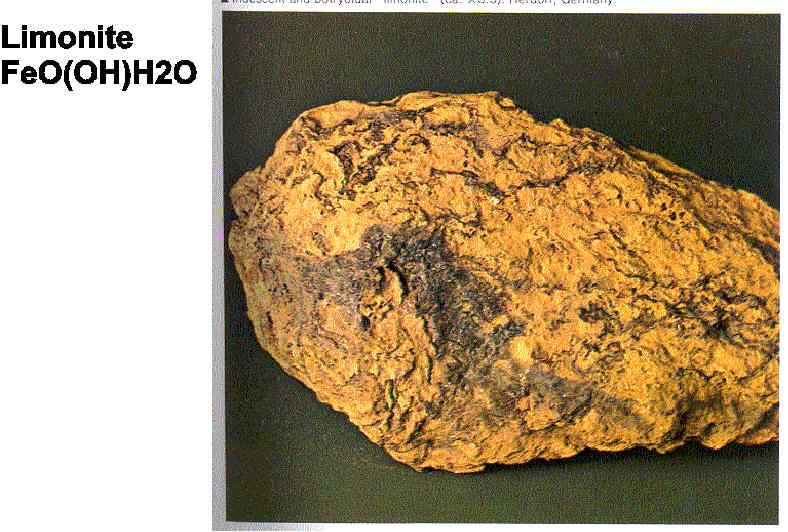
  • Brown---Limonite
  • Gray---Variety of minerals
  • Green----Mica, Chloride, Silicate
  • Red---Hematite
  • White---Feldspar, Calcite, Dolomite
  • Yellow---Limonite

Mineral-----Mineral Color
  • Augite---Brown, Green, Black, Purple
  • Biotite---Black, Brown, Green
  • Calcite---Pearlescent and Pale Colors
  • Dolomite---Colorless, Pink Pale Brown
  • Feldspar---Yellow, White, Pink, Grey, Green
  • Hematite---Metallic Grey or Black
  • Hornblende---Green, Yellow, Brown, Black
  • Limonite---Black, Brown or Yellow
  • Sulphur---Pale Gold


 Minerals have a variety of crystalline properties.  A different property has a different color.  For instance, Augite (listed above) has different crystalline properties.  Each property has it's own color.  Stone's brilliant colors and carious crystal formations developed when different mineral properties blended together along with the integration of temperature and pressure.

The veins and color grains of marble were liquid minerals that flowed through the stone when the Earth heated up.  The intense heat softened the limestone to allow the liquids to flow through it.  When the Earth cooled, the mineral flow stopped and gradually hardened to it's current state.


The delicate colors of stone can often be altered by improper use of cleaning chemicals, mopping with dirty solutions, using chemicals that are not designed for stone care, and sunlight can fade other color of natural minerals. 

Related Posts with Thumbnails